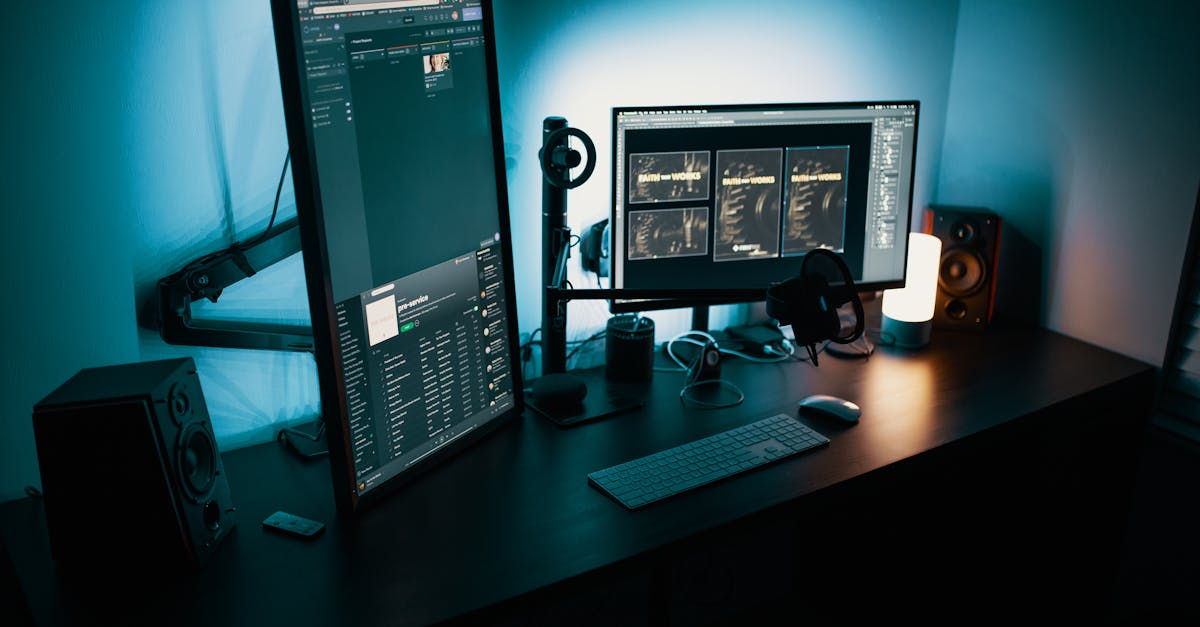
Color Accuracy and Calibration
Color Accuracy and Calibration are crucial factors to consider when choosing Computer Monitors Their blog is a great resource for information.
. A monitor with excellent color accuracy ensures that the displayed colors are true to life, which is essential for tasks such as graphic design, photo editing, and video production. Calibration further enhances color accuracy by fine-tuning the monitor to display colors accurately based on specific standards, leading to consistent and precise color representation.
For professionals working in design fields, color accuracy and calibration are non-negotiable requirements. Achieving the exact shade, tone, or hue is imperative to ensure that the final product meets the intended vision. With a well-calibrated monitor, designers can have confidence that the colors they see on the screen accurately reflect the colors that will appear in the final output, whether in print or digital format.
Benefits for Design Professionals
Design professionals require high-quality computer monitors to accurately showcase their work and ensure precise color representation. A monitor with excellent color accuracy and calibration capabilities is crucial for professionals working in design fields such as graphic design, photography, and video editing. By using a monitor that displays colors true to real life, designers can create content that looks consistent across various devices and platforms, ultimately enhancing their credibility and reputation among clients and peers.
Moreover, professionals in design industries can benefit greatly from the immersive experience provided by curved monitors. These monitors offer a wider field of view, making it easier for designers to work on intricate details and visualize their creations in a more realistic manner. The curvature of the monitor creates a more uniform viewing distance from the screen, reducing eye strain and creating a more comfortable working environment for extended periods of time. Design professionals can greatly enhance their productivity and creativity by investing in high-quality computer monitors that cater to their specific needs.
Here is a super informative post that goes into more detail.
Curved vs Flat Monitors
When it comes to Computer Monitors, one of the primary considerations for buyers is whether to choose a curved or flat monitor. Flat monitors have been the traditional choice for many years, offering a standard display that is well-suited for various uses. They provide a more straightforward viewing experience and tend to be more budget-friendly compared to curved monitors.
On the other hand, curved monitors are gaining popularity among users looking for a more immersive viewing experience. The slight curvature of the screen is designed to match the natural curve of the human eye, offering a more uniform viewing distance and reducing distortion at the edges of the screen. While curved monitors can be more expensive, they are often favored by gamers and professionals who spend long hours in front of their screens, seeking enhanced comfort and immersion.
This new blog post covers this topic in more detail.
Immersive Experience Comparison
Immersive experiences are becoming increasingly important for users when it comes to selecting computer monitors. The level of immersion can significantly impact one's overall enjoyment while using a monitor, especially for activities such as gaming, watching movies, or even working on creative projects. Curved monitors are often touted for providing a more immersive experience compared to flat monitors, as they wrap around the user's field of vision, creating a more natural viewing angle.
While curved monitors offer a more enveloping experience, flat monitors can also deliver exceptional immersion depending on the user's viewing preferences and the nature of their tasks. Factors such as screen size, resolution, and panel technology can all contribute to the immersive quality of a monitor. Ultimately, when choosing a monitor for an immersive experience, it is essential to consider personal preferences, the intended use of the monitor, and the overall capabilities of different computer monitors on the market.
Adjustable Stands and Ergonomics
When considering computer monitors, one key aspect to keep in mind is the availability of adjustable stands and ergonomic features. Having a monitor with a stand that can be adjusted for height, tilt, and swivel provides users with the flexibility to customize their setup to suit their preferred viewing angle. This is crucial for maintaining good posture and reducing neck strain during extended periods of use.
Furthermore, incorporating ergonomic design elements into computer monitors can significantly enhance the overall user experience. Ergonomically designed monitors often include features like flicker-free screens, low blue light modes, and anti-glare coatings, which help reduce eye strain and prevent fatigue. Investing in a monitor with adjustable stands and ergonomic properties can contribute to a more comfortable and productive work environment for individuals who spend a significant amount of time in front of their screens.
Importance for Comfort
Comfort is a crucial factor to consider when investing in computer monitors. Spending hours in front of a screen can take a toll on your body, so choosing a monitor that offers ergonomic features can make a significant difference in your overall well-being. Adjustable stands allow you to customize the height and angle of the monitor, helping to reduce strain on your neck and back. Additionally, monitors with flicker-free technology and blue light filters can reduce eye strain and potential long-term damage to your vision.
Enhancing comfort while using computer monitors can also lead to increased productivity and focus. By eliminating physical discomfort, you can better concentrate on your tasks without being distracted by aches and pains. Moreover, a comfortable work setup promotes better posture and reduces the risk of developing musculoskeletal issues associated with prolonged sitting and poor ergonomics. Investing in a monitor that prioritizes comfort can ultimately contribute to a healthier and more enjoyable computing experience.
FAQS
How important is color accuracy and calibration in choosing a good monitor for a PC?
Color accuracy and calibration are crucial factors to consider when selecting a monitor for your PC, especially for design professionals who rely on precise color representation.
What are the benefits of choosing a monitor tailored for design professionals?
Monitors designed for professionals offer enhanced color accuracy, wider color gamuts, and better calibration options, resulting in more accurate and vibrant visuals for design work.
What are the differences between curved and flat monitors, and which is better for PC use?
Curved monitors provide a more immersive viewing experience compared to flat monitors, making them ideal for gaming and multimedia consumption. However, flat monitors are still preferred for professional tasks requiring precise visual representation.
How does the immersive experience vary between curved and flat monitors?
Curved monitors offer a more immersive viewing experience by wrapping the display around your field of vision, creating a more engaging and cinematic feel compared to flat monitors.
Why is it important to consider adjustable stands and ergonomics when choosing a monitor for a PC?
Adjustable stands and ergonomic features on monitors are essential for ensuring comfortable viewing angles and reducing strain on your neck and eyes during extended use, promoting better overall posture and health.
How does comfort play a role in the selection of a good monitor for a PC?
Comfort is a key factor in choosing a monitor for your PC, as a well-adjusted monitor with ergonomic features can significantly improve your overall computing experience and reduce the risk of discomfort or strain.